2026–2027 Australian Artists China Art Base Residency Program
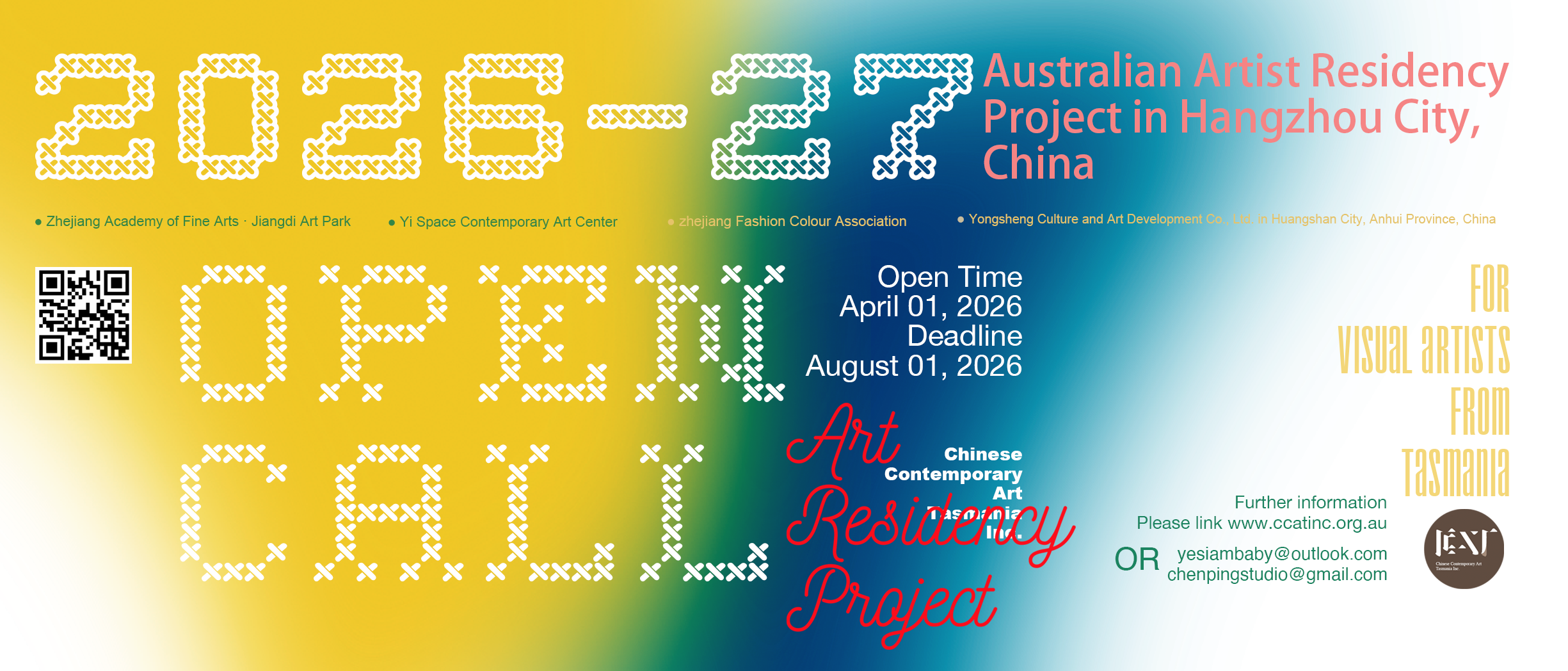
Open Recruitment for Visual Artists from Tasmania and Victoria
2026–2027 Artist Residency Application and Residency Dates
Application period for 2026–2027: Open from 1 September 2026, with a deadline of 31 November 2027. Each residency is 30 days in duration, available during the autumn of 2026 and spring of 2027. Available residency periods (choose one):
Spring: 1 April – 31 May
Autumn: 10 October – 10 November
I. Program Introduction
To foster cultural exchanges between China and Australia and encourage artists to engage in cultural interactions within an international community, the 2026–27 Hangzhou Residency Program for Australian Artists at the China Art Base is a non-profit cultural exchange initiative. It is based on non-governmental, friendly cultural and artistic activities between Chinese and Australian artists, focusing on artistic research and creative exploration.
The program aims to promote mutual cultural and artistic visits between Chinese and Australian artists. Through short- to medium-term residencies at each other's art bases, artists can engage in creation, draw inspiration under different cultural atmospheres and geographical environments, and express what they see and feel through artistic forms using their own knowledge and skills.
Leveraging its cultural resources and geographic advantages in China, CCAT Inc. provides traditional and unique Chinese cultural resources for international art and culture researchers. By integrating various regional cultural characteristics in China and engaging with local communities, CCAT Inc. facilitates in-depth research for Australian artists interested in Chinese culture and art resources. Initiated by the Tasmania-China Contemporary Art Association (CCAT Inc.), which serves as a bridge between Tasmania and Chinese culture and art, the program recruits local Australian artists to reside and create in China.
Zhemei Jiangdi Art Park in Hangzhou, Zhejiang Province, China, acts as the residency venue and fully sponsors the program. It provides recruited Australian artists with studio facilities and equipment during their residency in China, as well as support for living, food, local transportation, and networking activities (such as introductions to traditional Chinese culture and language translation assistance).
Sumo Cultural and Creative Studio in Binjiang District, Hangzhou, is responsible for conducting activities and exchanges for the Tasmanian artists visiting the Hangzhou base. Located in Binjiang District, Hangzhou, the studio is headed by Dr. Wu Xingming, the lead organizer of this China-Australia art exchange event and the head of the China base. Dr. Wu is currently Vice President of CCAT Inc., a Doctor of Arts, and a contemporary Chinese ink artist traveling between China and Australia. He is an Associate Professor at the School of Art and Technology, Zhejiang Shuren University in Hangzhou, and maintains close ties with the China Academy of Art (CAA) in Hangzhou. Being familiar with both China and Tasmania, he assists Tasmanian artists residing in Hangzhou in carrying out academic activities and artistic creations.
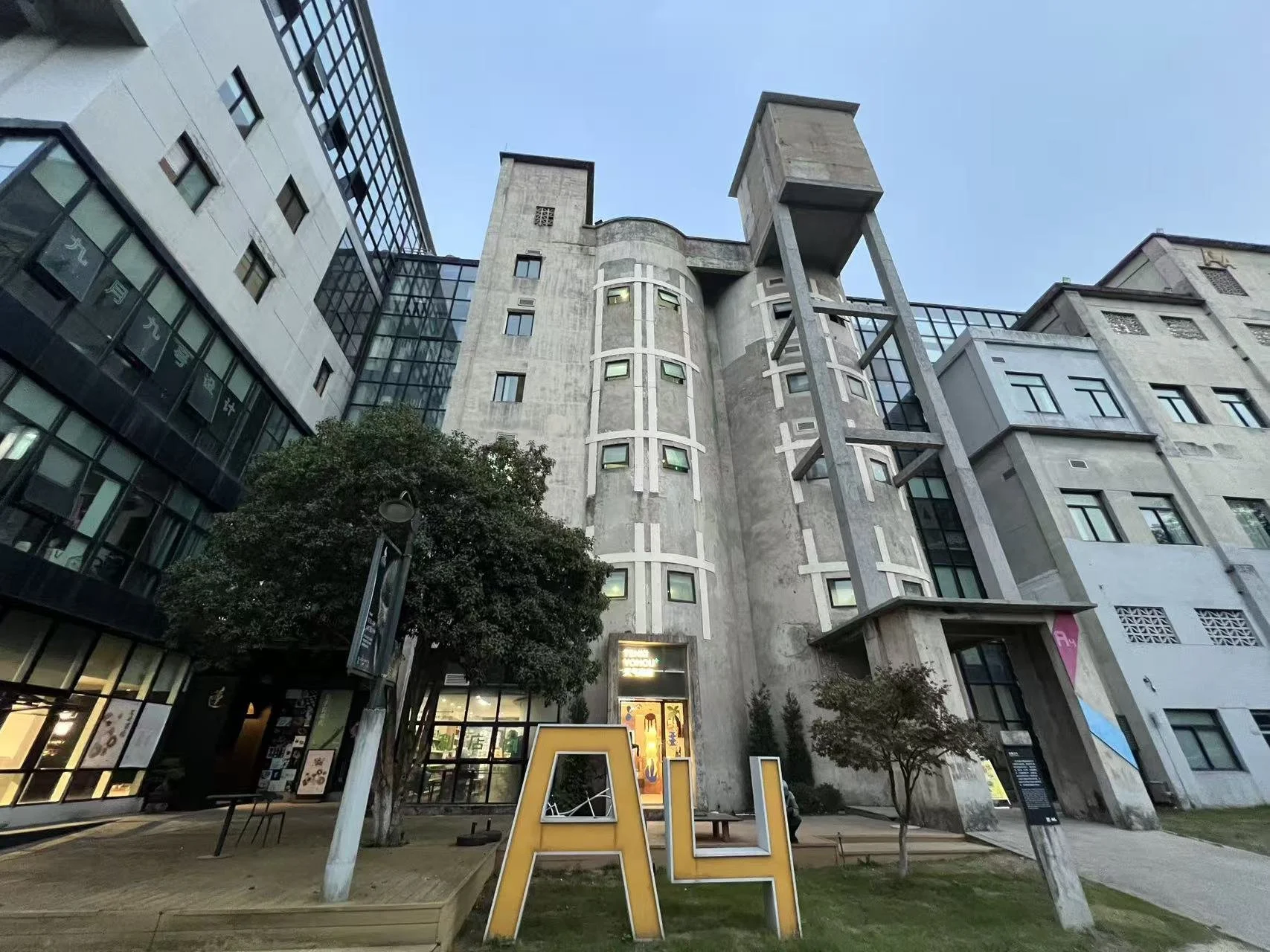
A Space Contemporary Art Center is responsible for the artists' exhibition venue. Located in Phoenix Creative International Cultural and Creative Park, the gallery is adjacent to the creative industry park of the Xiangshan Campus of the China Academy of Art, similar to Salamanca in Hobart. The park is only 1–2 km away from CAA, where artists from CAA as well as young artists from Shanghai and Guangzhou frequently hold exhibitions.
Through CCAT Inc.’s ongoing interactions with Tasmanian art institutions—such as the School of Creative Arts and Media at the University of Tasmania, Contemporary Art Tasmania (CAT), and Moonah Arts Centre—this project has received strong support from the local art community. Following successful open calls for Tasmanian artists in 2024 and 2025 that yielded positive exchange outcomes, recruitment is open once again this year.
II. Residency Location Introduction
Hangzhou is a famous historic and cultural city with a 2,200-year history (having served as the capital of the Southern Song Dynasty 900 years ago). It currently has a population of 12 million and is a core, economically prosperous region of the Yangtze River Delta.
The area is rich in natural landscapes, including the West Lake (a World Natural/Cultural Heritage site), the Grand Canal (developed during the Sui Dynasty), the Qiantang River tidal bore, and traditional ancient water-town dwellings. It is also a hub of cultural history, home to the China Academy of Art (CAA)—the most renowned art institution in China—which serves as both the highest institution for traditional Chinese painting and calligraphy and a platform for international academic exchanges among artists.
The Hangzhou Residency Base—Zhemei Jiangdi Art Park—can accommodate up to 5 international resident artists at a time and currently has capacity for 2 to 4 resident artists from Australia. Located in Fuyang District, Hangzhou (the capital city of Zhejiang Province in East China), the base is 5.6 km from the center of Fuyang District and approximately 25 km from the Xiangshan Campus of CAA. A one-stop shop for all necessary painting and creative materials is readily available nearby.
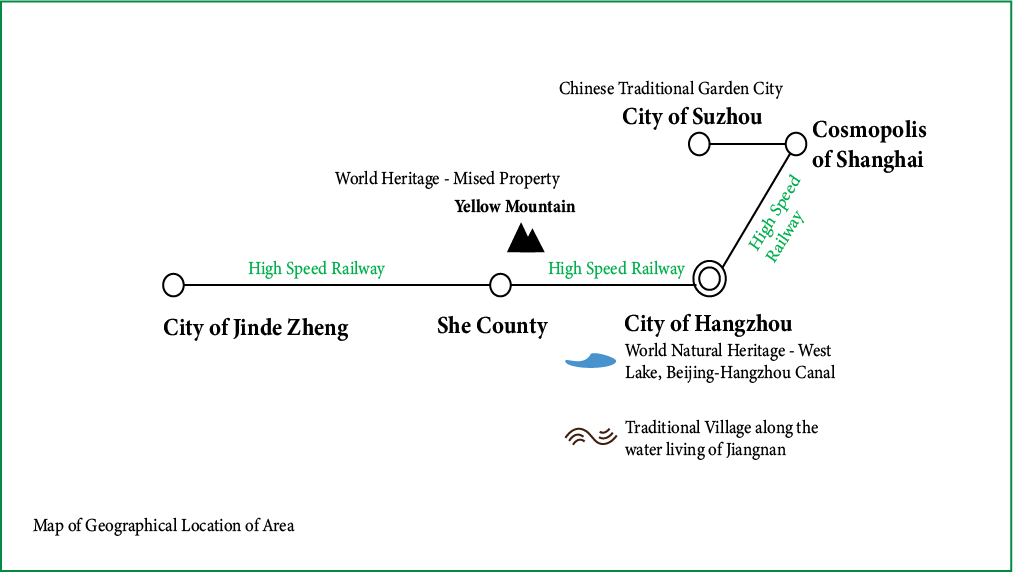
Surrounded by a rural water-town landscape, the base offers convenient transit options to high-speed rail via park e-bikes, Bus Lines 2117/2117B, Uber, and Didi, connecting directly to Metro Line 6, high-speed railway stations, and the public bus network. The city of Hangzhou features 12 metro lines running throughout. The regional transport hub is extremely convenient with developed high-speed rail and expressway networks:
· •55 minutes by bullet train to the international metropolis of Shanghai;
· •45 minutes to the classical gardens of Suzhou;
· •~1.5 hours to Jingdezhen, China's famous porcelain capital.
(Image: Art park natural scenery)
01. Natural scenery near the residency base:
West Lake Scenic Area
Natural environment of ancient water-town residential villages
Huangshan (Yellow Mountain) Scenic Area
Suzhou Classical Gardens
02. Cultural resources near the residency base:
A. Understanding Traditional Chinese Calligraphy and Painting
Huizhou ink making, inkstone craft, and Xuan paper craft
Xiling Seal Engraver's Society (an icon of Chinese culture)
Ancient water-town residences and stone bridges in Jiangnan (Shaoxing, Huzhou)
The natural landforms of Huangshan and their connection to and influence on Chinese Shanshui (landscape) painting
B. Architectural Art and Cultural Forms
Structural characteristics and forms of Ming and Qing dynasty ancient residences
Residential architectural structural systems and daily living
Wood carving, brick carving, stone carving, and architectural decoration
Traditional opera stages and local opera: Huangmei Opera
Ceramics, silver ornaments, and everyday decorative utensils
03. Resource Interactions at the Residency Base:
Academic lectures and interactions between resident artists and local universities, or lectures/seminars at the School of Art and Technology, Zhejiang Shuren University
Opportunities to participate in exhibitions at A Space Contemporary Art Center
Visit to Jingdezhen International Art District and Ceramic Creation Bases
Exchanges with artists and studio visits at the China Academy of Art in Hangzhou
Visits to creative parks and art museums in Hangzhou and in Shanghai
III. Residency Studios
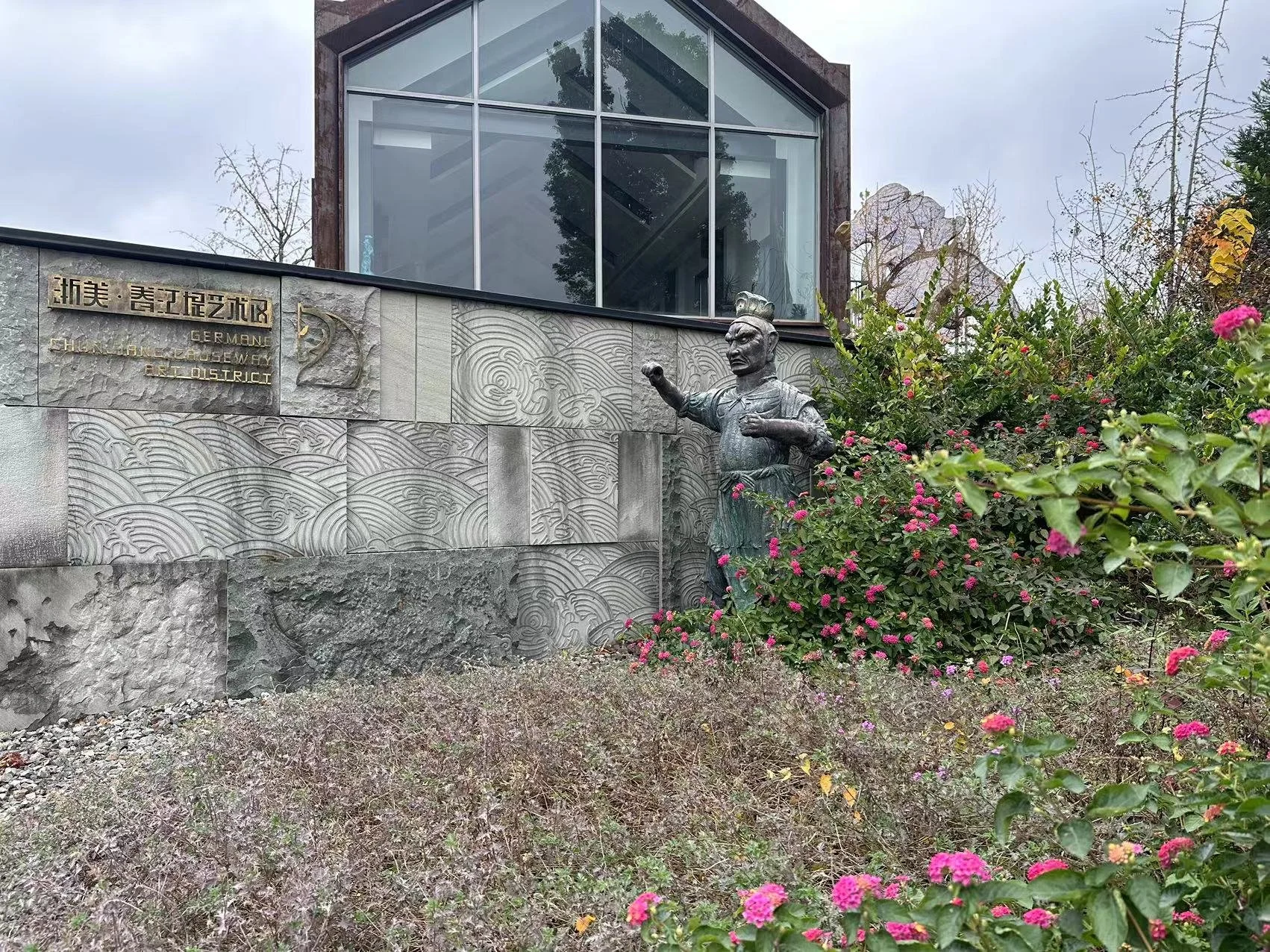
The studio is located in Fuyang District, Hangzhou, within Zhemei Jiangdi Art Park near the area depicted in the famous Ming Dynasty painter Huang Gongwang's Dwelling in the Fuchun Mountains. Accommodation management and sponsorship of costs are provided by the park.
The park hosts sculpture projects and cultural/creative activities, connecting local artist events with commercial operations. It features its own exhibition space and lecture hall. It also frequently hosts activities such as artist sketching trips, exhibitions, and seminars for designers and cultural/creative professionals.
Resident artists come from across China, and professional art faculty and designers from Chinese art universities regularly stay short-term for sketching and cultural investigations. There are currently four permanent resident artists in the park, focusing on contemporary art, traditional painting, traditional art, and architectural design (landscape morphology).
Art Base
[Images of Residency Park Environment]
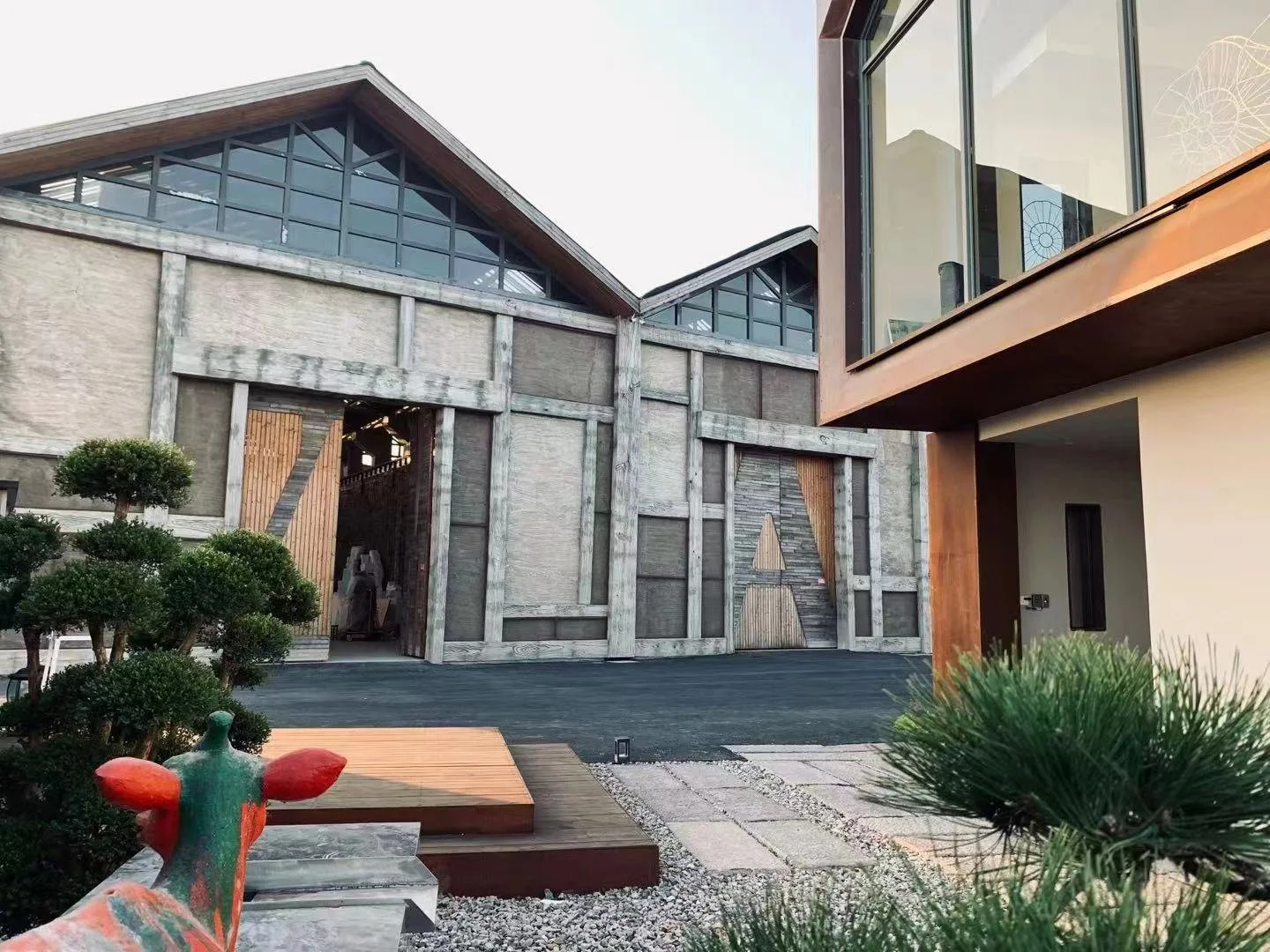
Residency Base
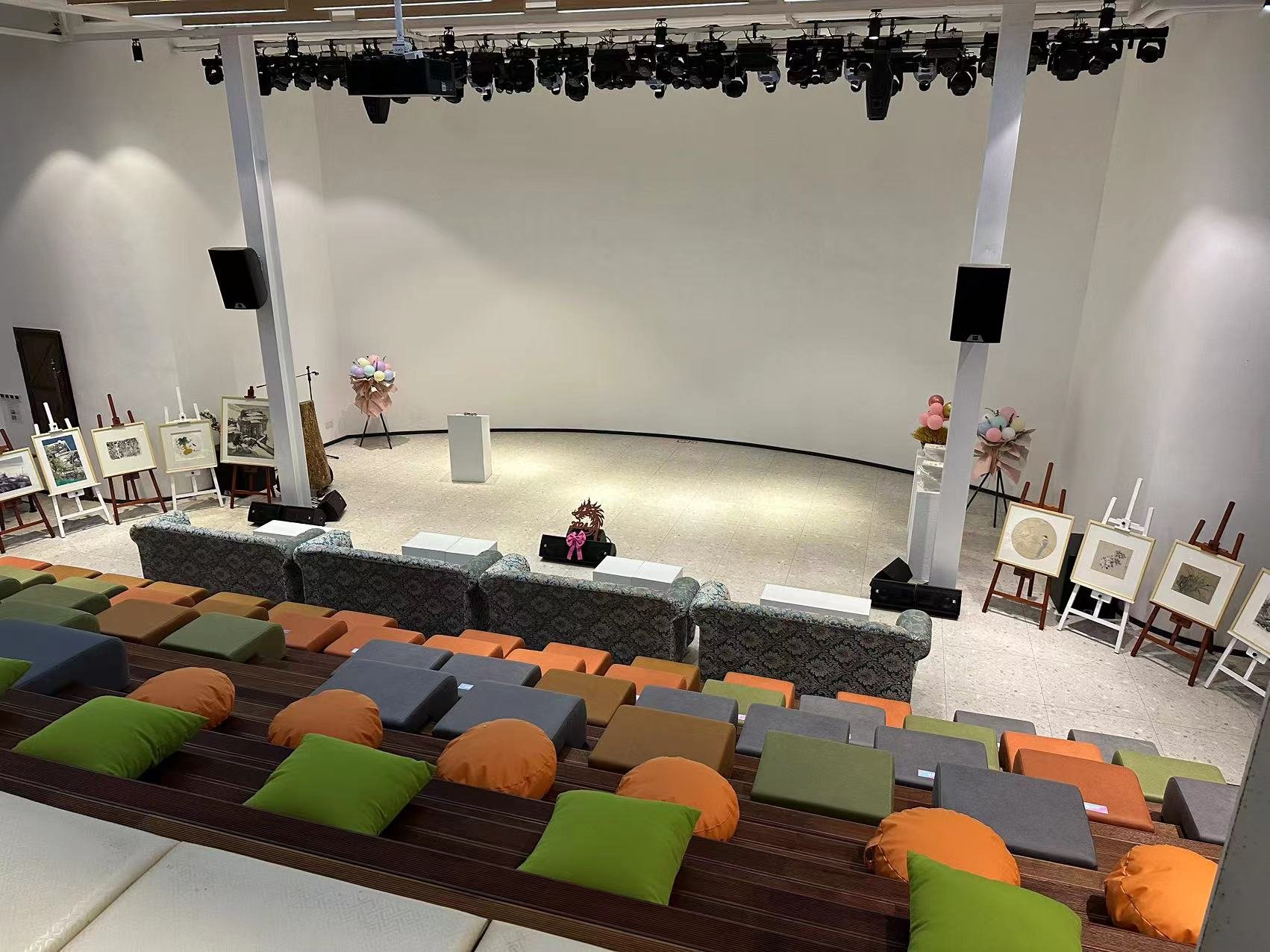
Siminar hall
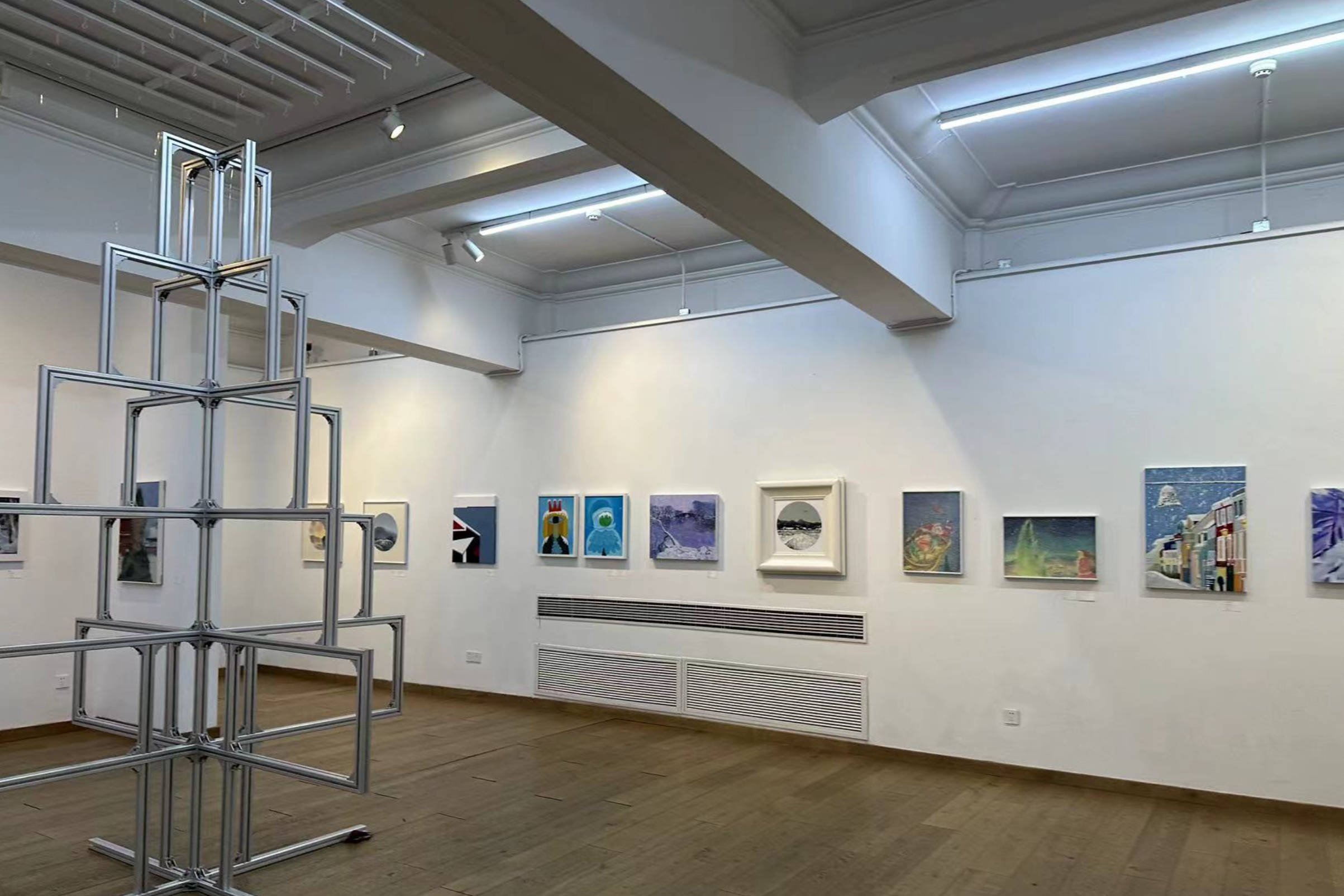
gallery
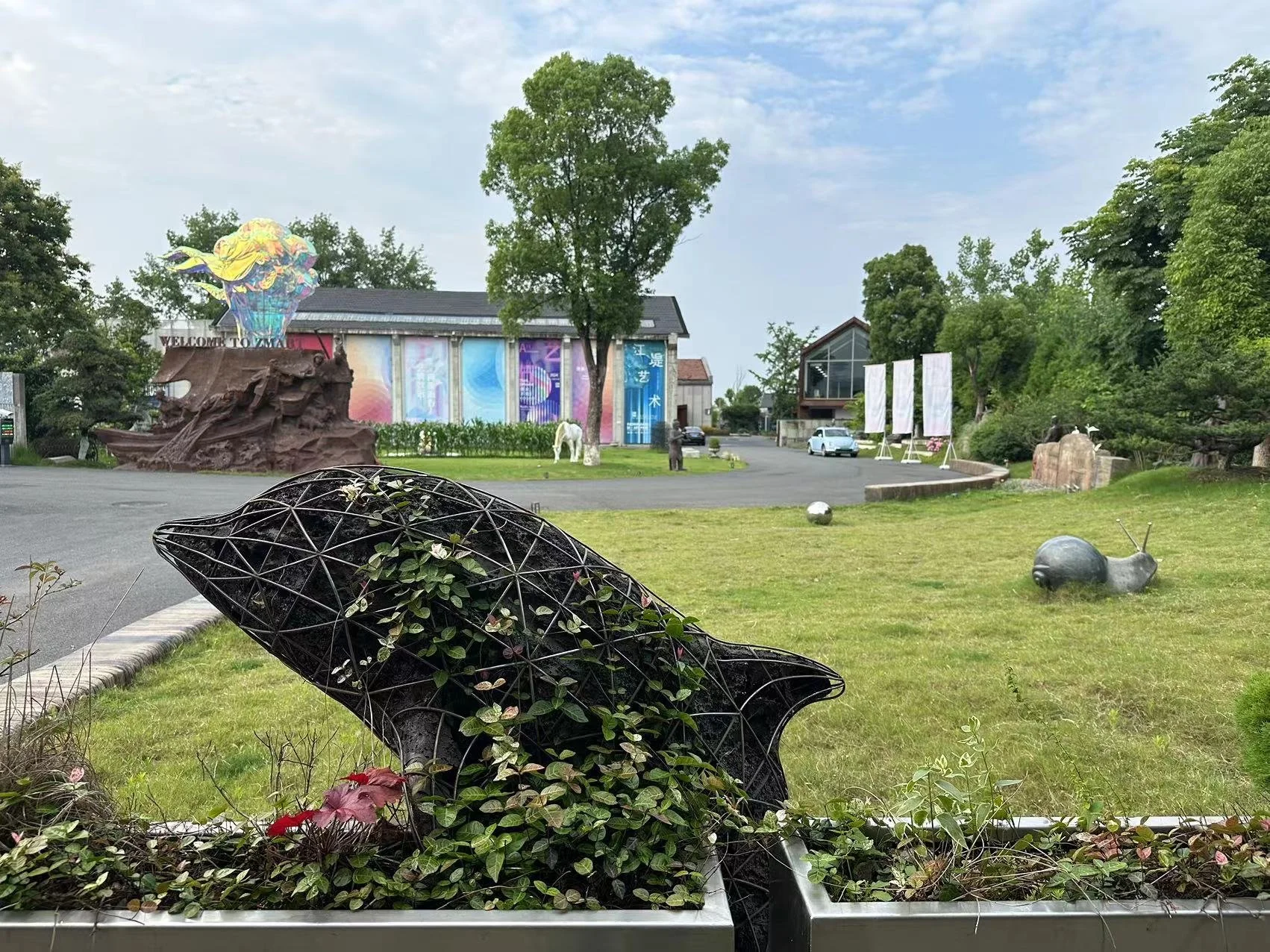
A corner of the art park
Studio Photos
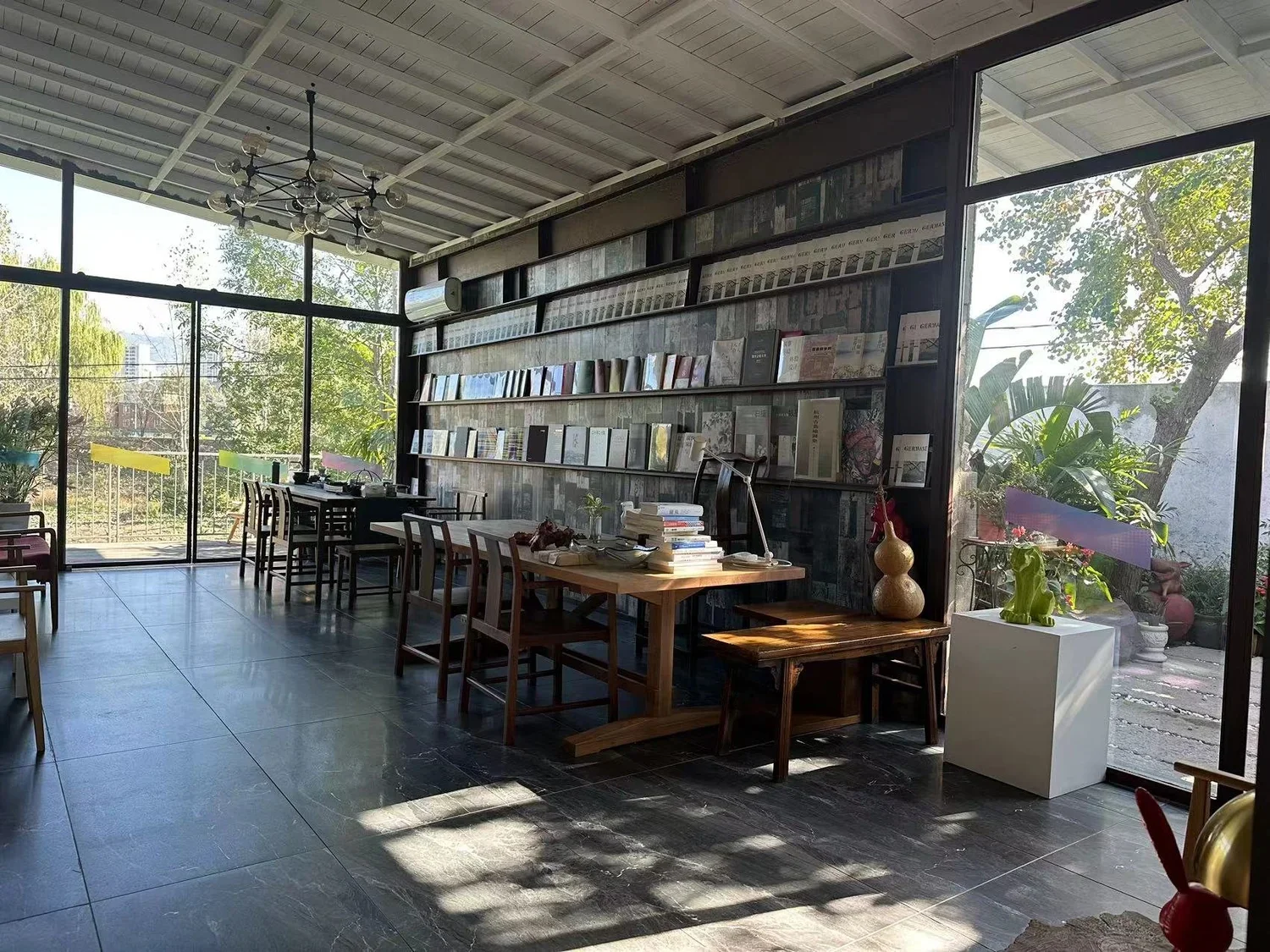
Studio
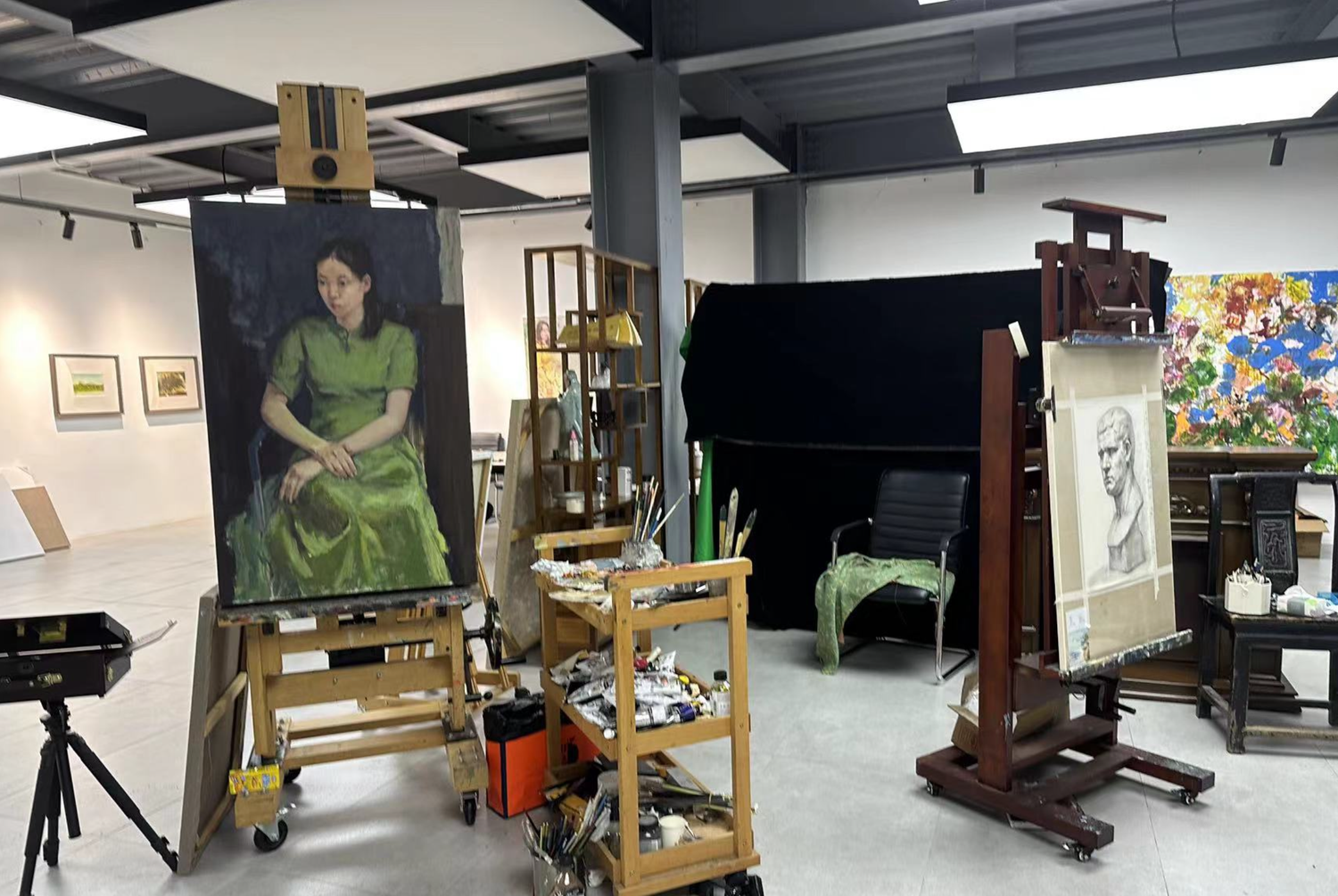
Studio
Living Facilities at the Residency:
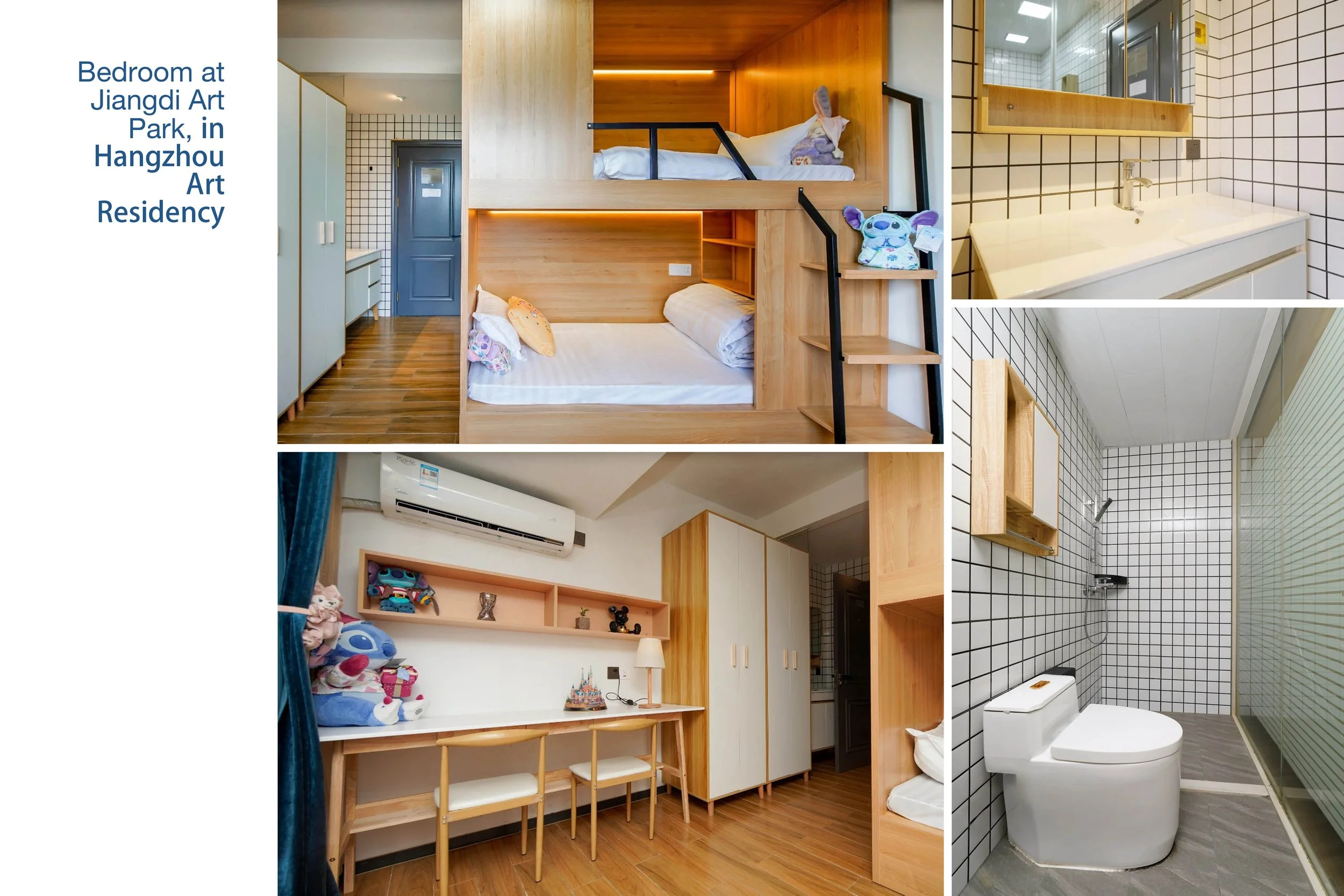
Bedroom
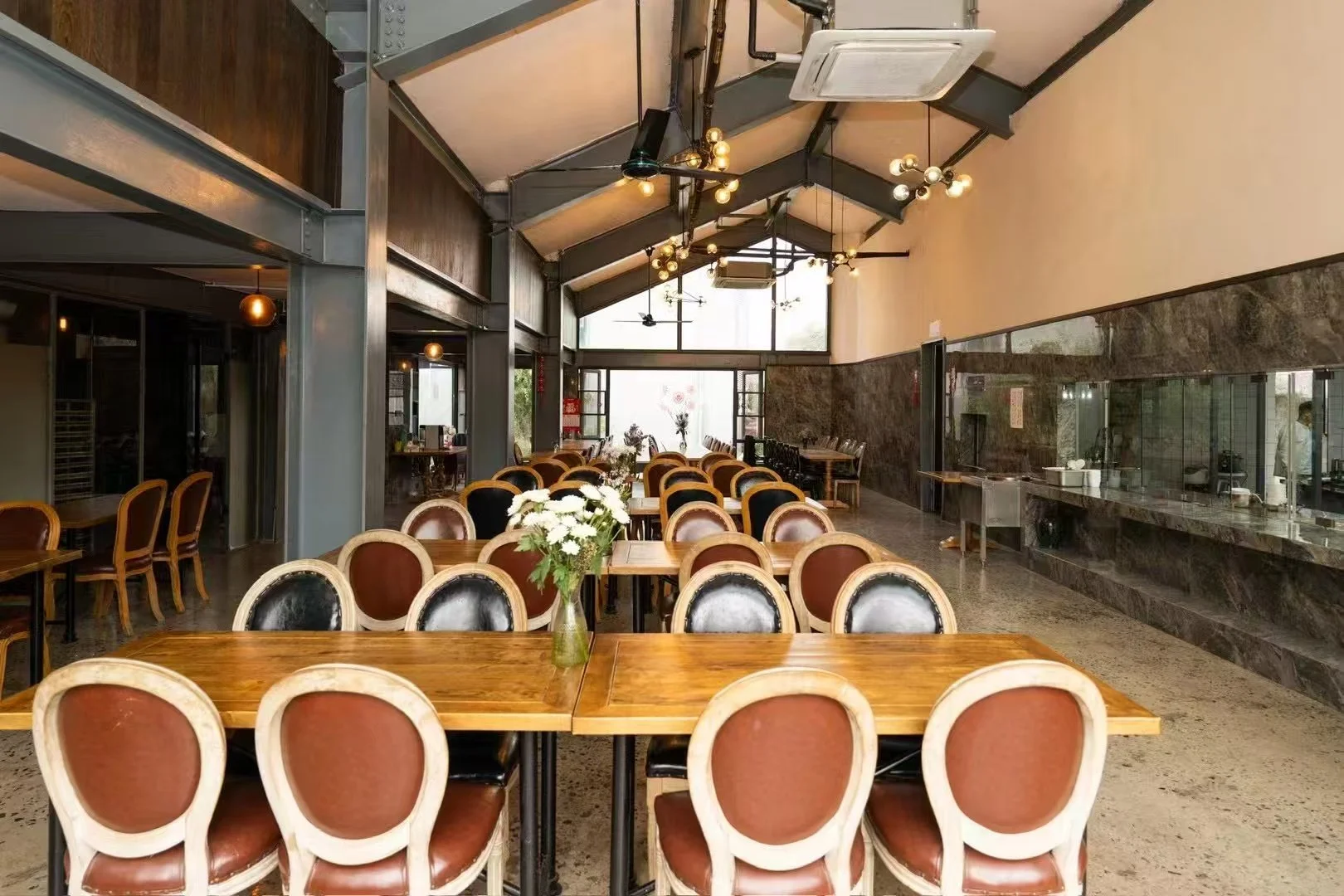
Canteen
Notice: "Images of the residency park are for reference only and may change subject to functional adjustments. Actual on-site conditions shall prevail."
IV. Accessible Art Resources Surrounding the Residency
A.Yi Space art gallery
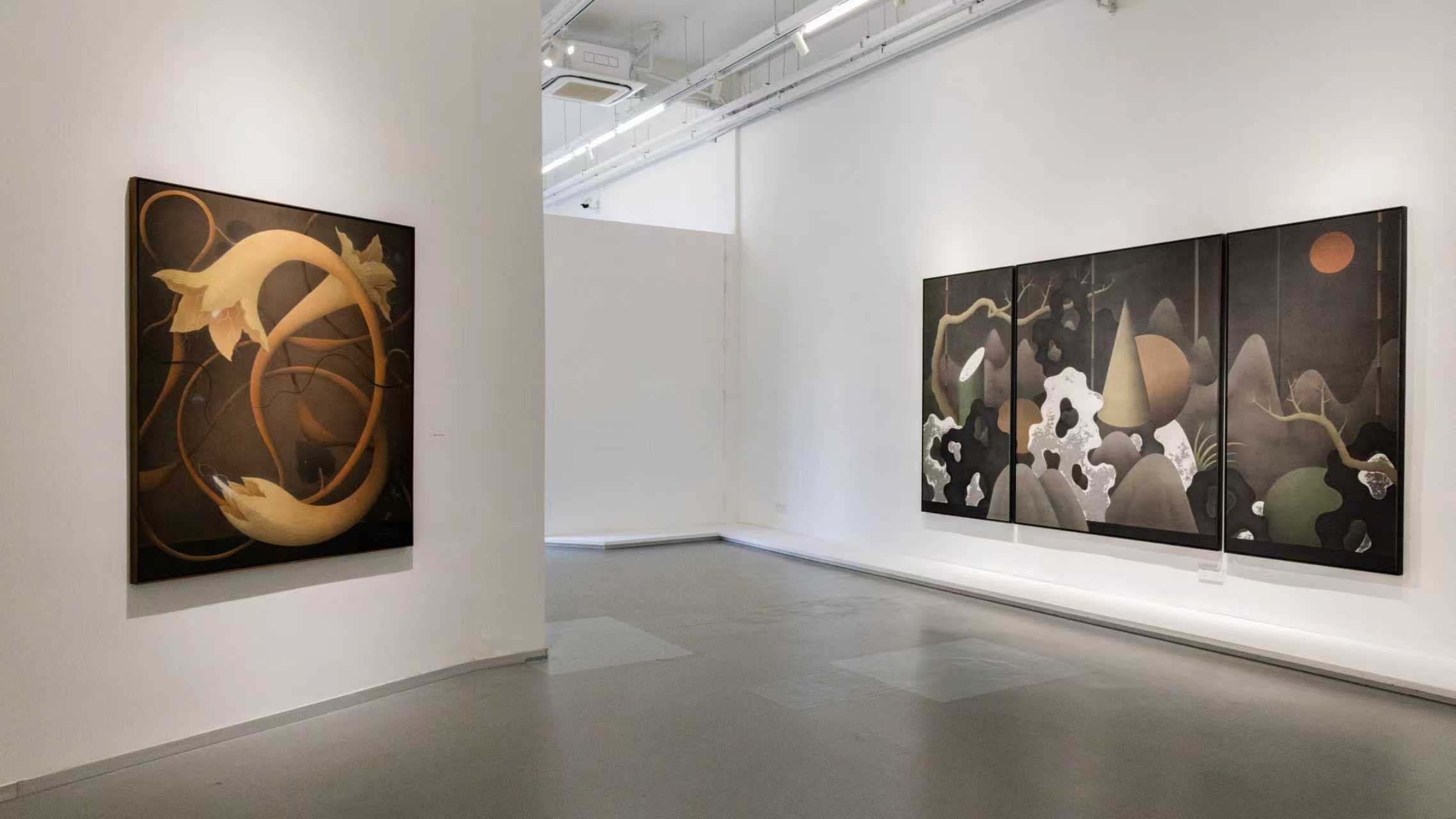
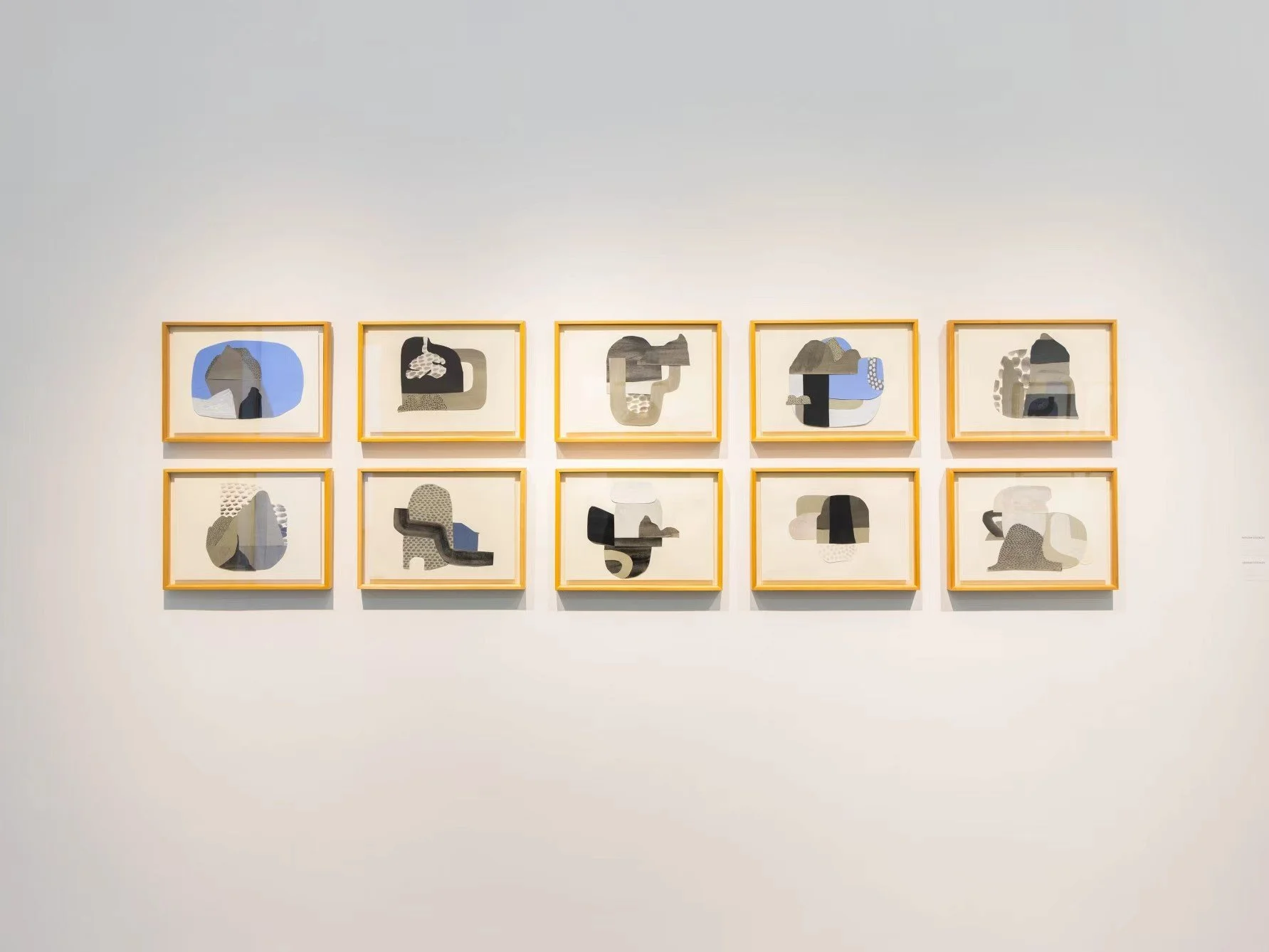
Exhibition works created by Neridah Stockley 2025
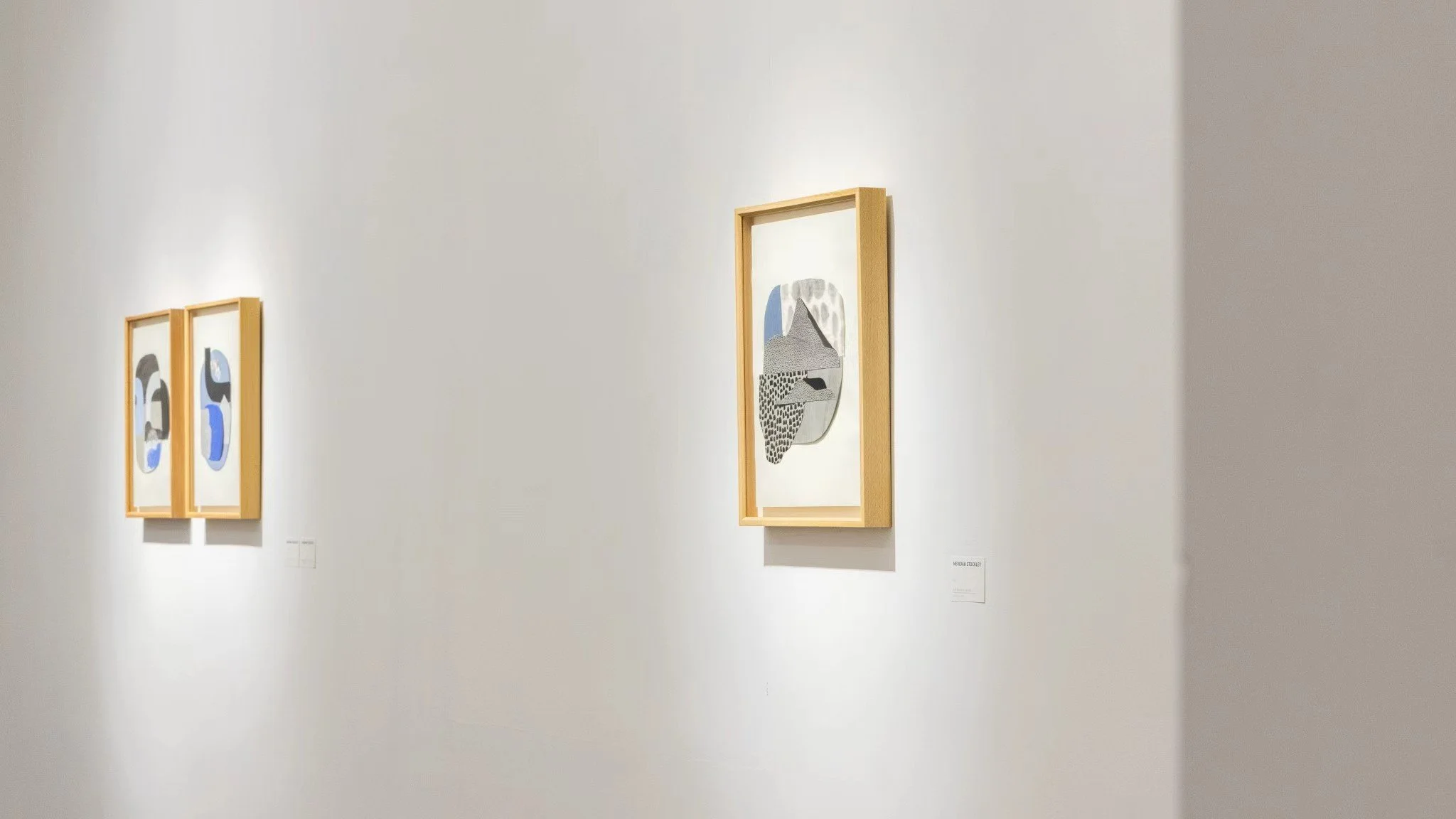
Exhibition works created by Neridah Stockley 2025
B.Campus of China Academy of Art (CAA)
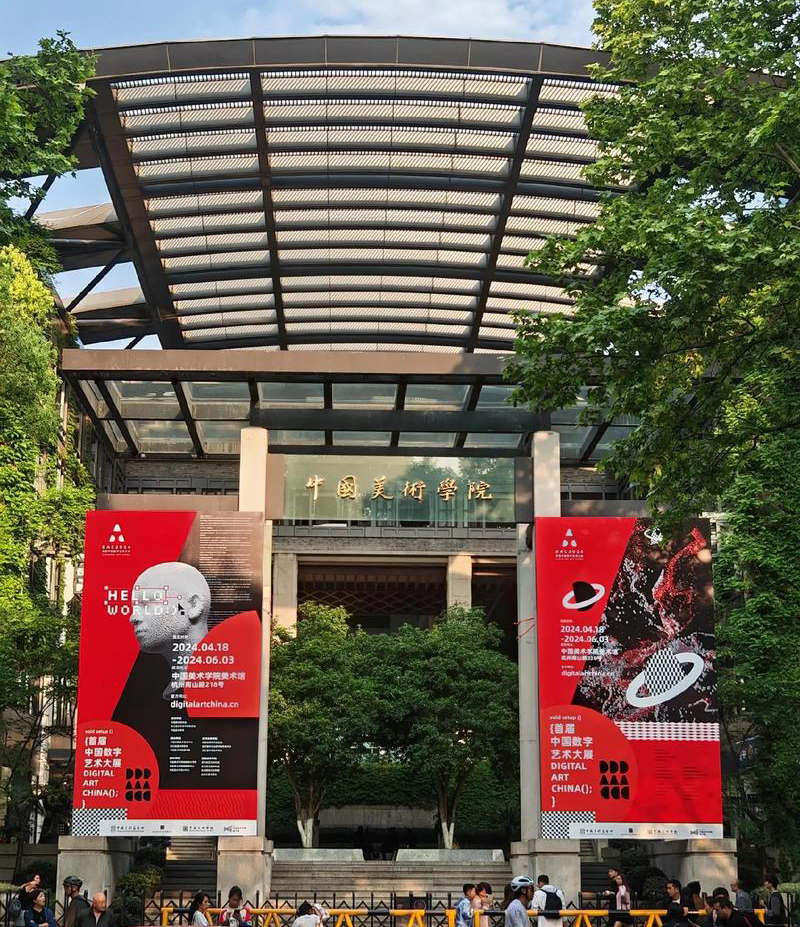
Nanshan Road Campus of China Academy of Art (CAA)
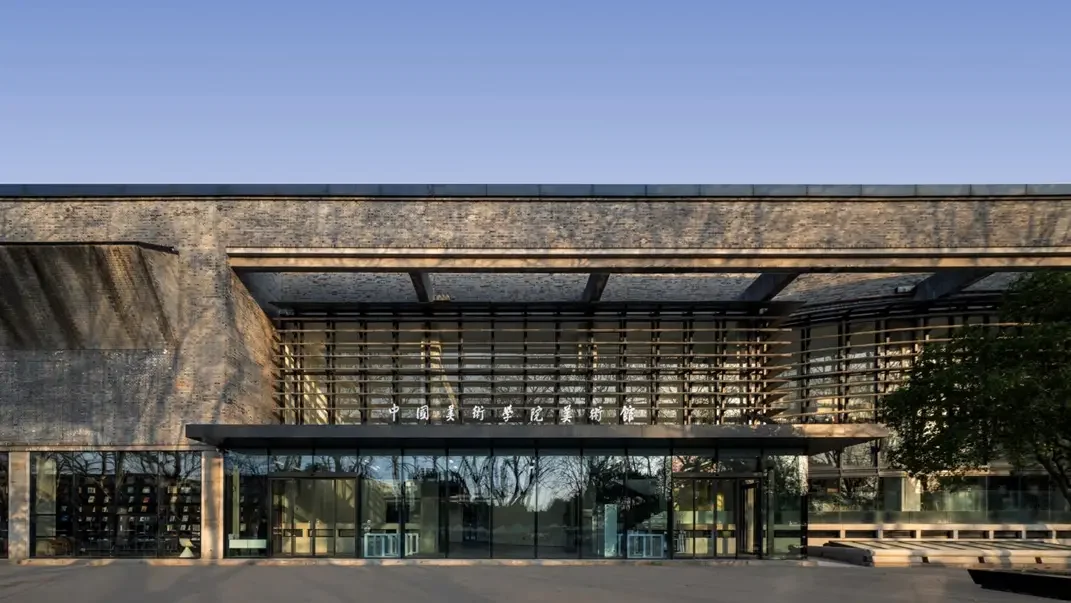
China Academy of Art Gallery at Nanshan Campus
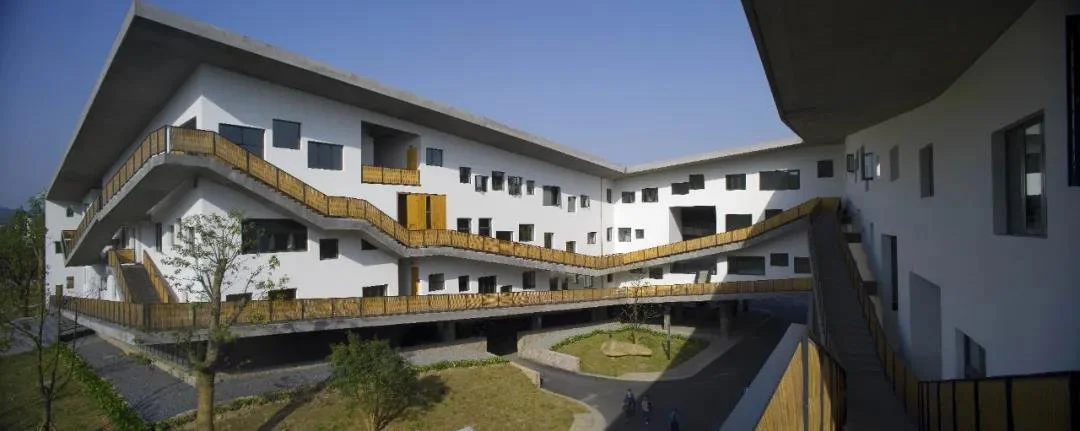
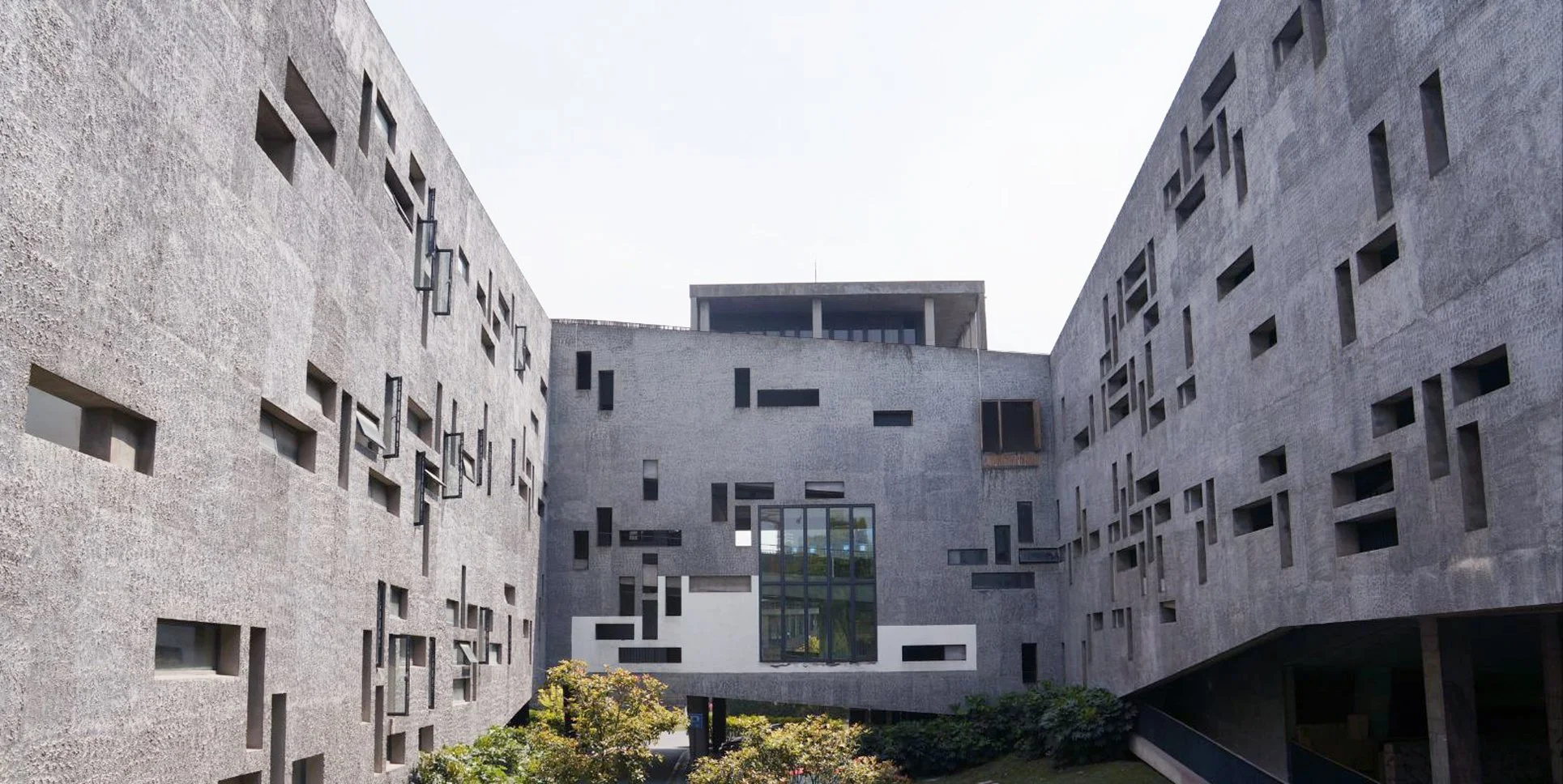
Partial building of Xiangshan Campus of CAA
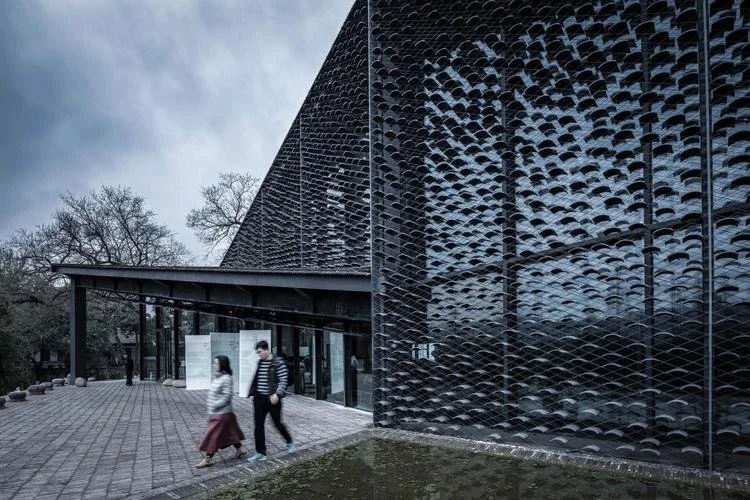
China folk museum in the campus of CAA
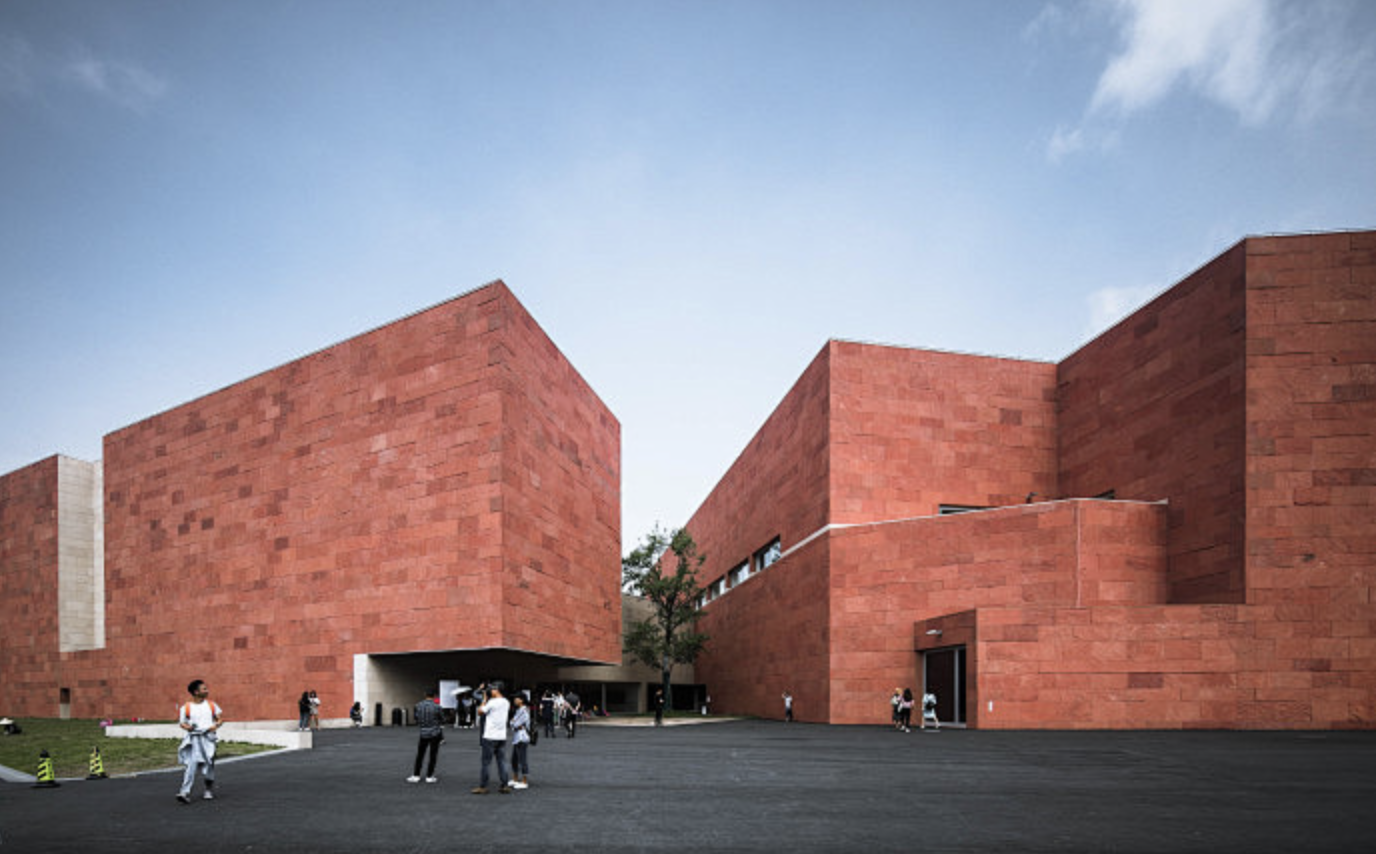
China international design museum in the campus of CAA
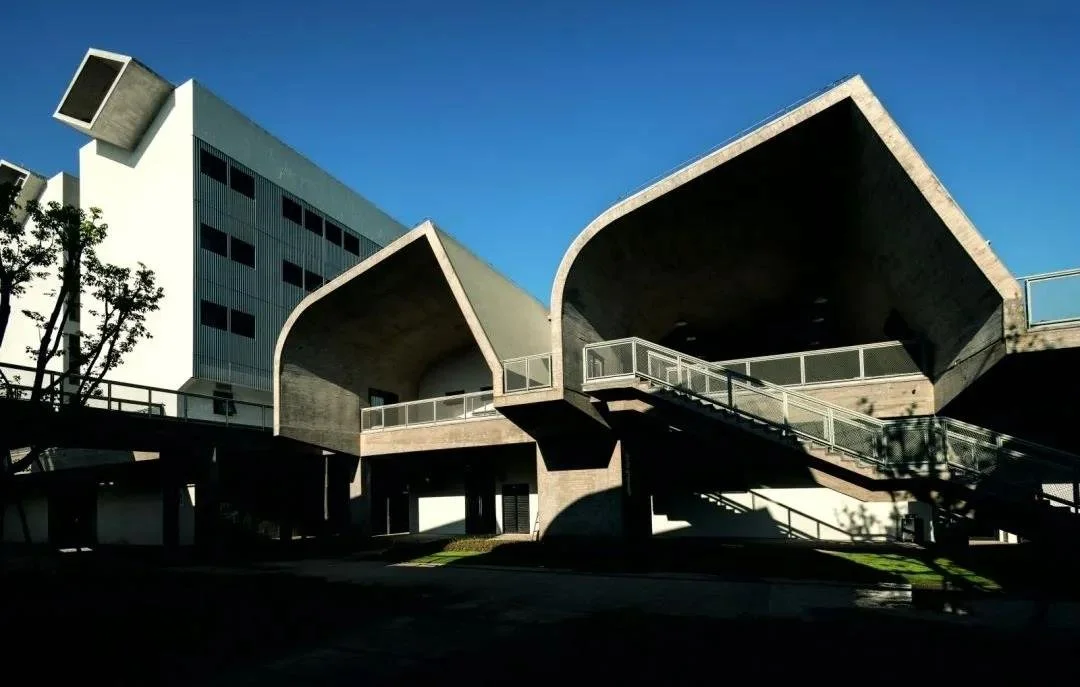
Liangzhu Campus of CAA – Design College of CAA
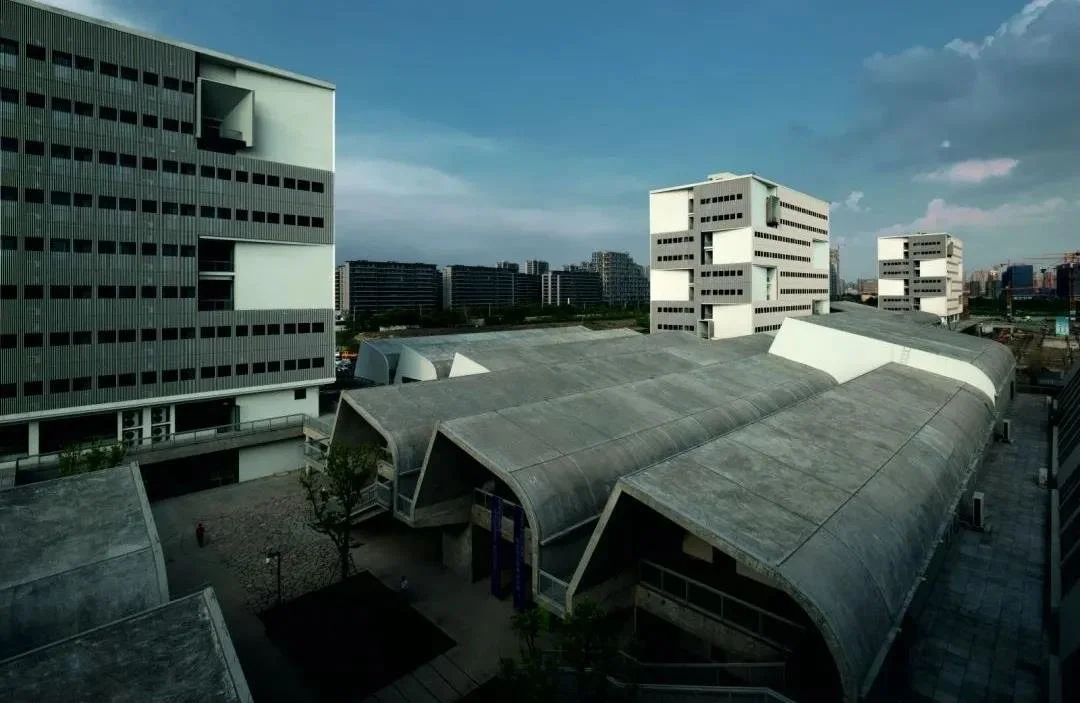
Liangzhu Campus of CAA – Design College of CAA
C. School of Art and Technology, Zhejiang Shuren University
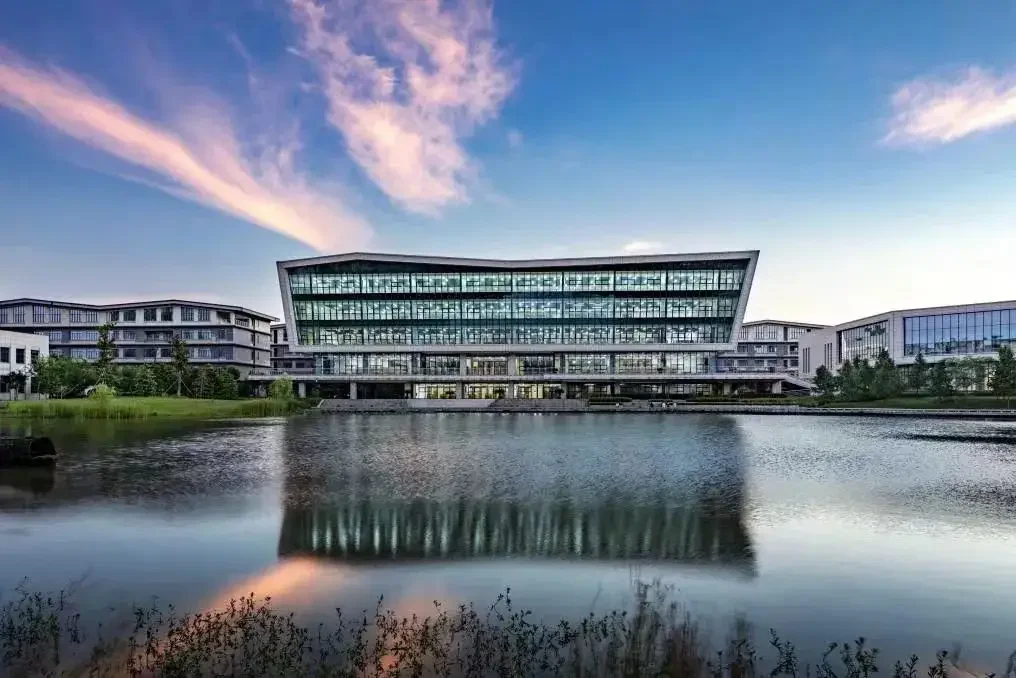
Library of the University (Yang Xunqiao Campus)
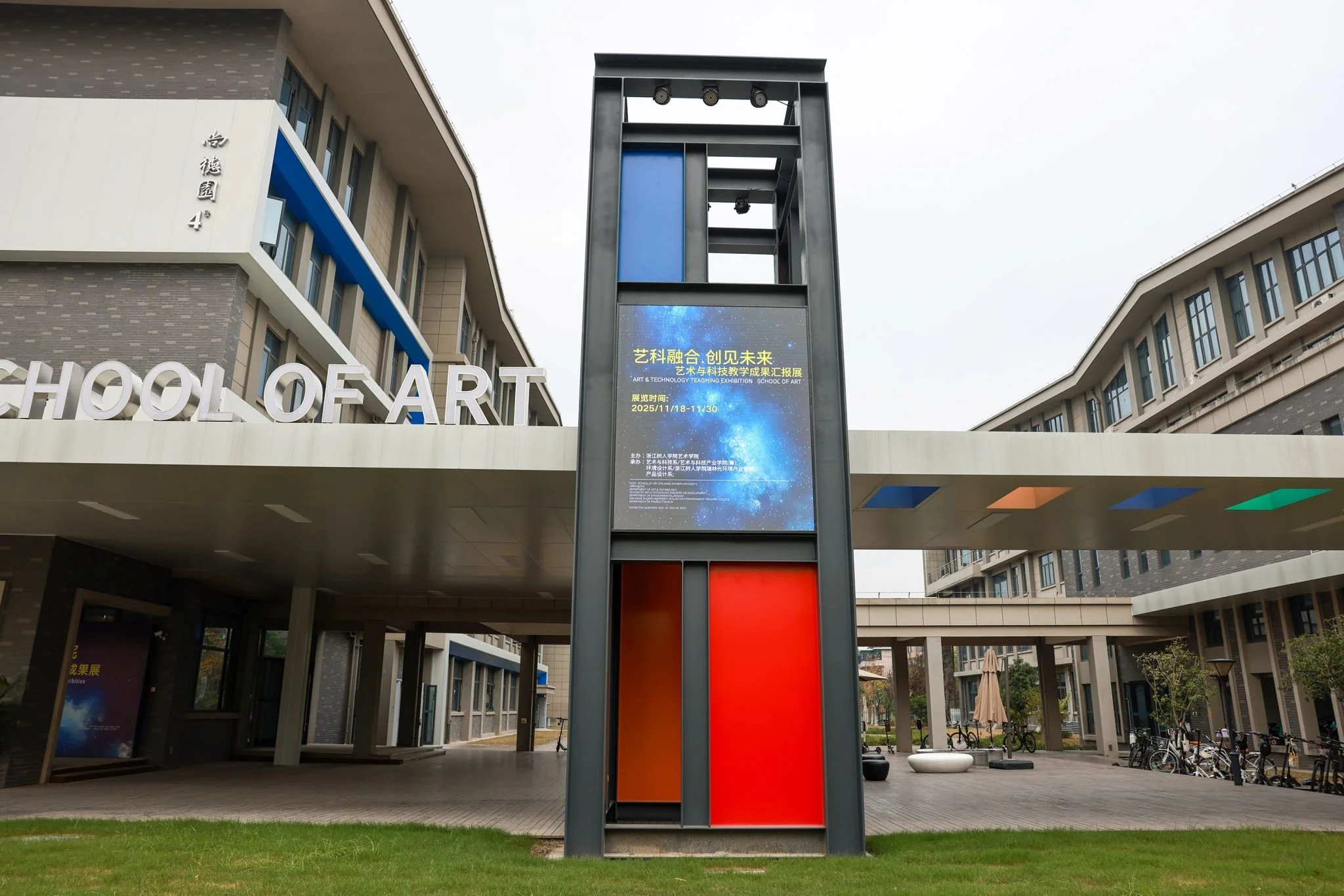
Building of School of Art
IIV Residency Application and Duration (2026–2027)
· • Application Window (2026–2027): September 1, 2026 – November 31, 2027 (Deadline).
· • Residency Duration: 30–40 days per artist, scheduled during Fall 2026 and Spring 2027.
· • Selectable Residency Windows:
o Spring: April 1 – May 31
o Fall: October 10 – November 10
◎ How to Apply?
Registration Notice & Artist Requirements:
1. Applicants must live and work within Tasmania or Victoria.
2. Must have a strong interest in traditional Chinese culture and be willing to reside in China for at least one month.
3. Applicants must have creative experience in the field of art (no restrictions on creative media or tools).
4. Must be in good health and able to accept and respect Chinese cultural customs and living conditions.
5. Partners are welcome to accompany the artist; artists with school-aged children should carefully consider schooling arrangements on their own.
6. Master's and Ph.D. students studying at the School of Creative Arts and Media, University of Tasmania, are welcome to apply.
7. Must have a detailed research or exploration topic of their own, and prepare a presentation (approx. 40-60 minutes) for exchanges with resident peers and for delivering a lecture at local art universities during the residency.
Assessment Criteria
Eligible applications will be assessed using the following criteria based on the submitted residency plan:
1. The importance of traditional Chinese culture to your own creative practice.
2. The relevance of your submitted materials to your proposed residency plan.
3. The relevance of the residency research project to your artistic development.
4. The potential of your project to bring a fresh perspective to local (Tasmania/Victoria), Australian, and international art exhibitions.
5. Statement of integrity/authenticity.
Selection Committee
· CCAT Inc. Academic Committee
· Contemporary Art Tasmania (CAT)
· Arts Tasmania
· Representatives from Tasmania's cultural and creative industries
· Previous residency recipients
◎ Application
Application Form:
· a. Fill out and submit online
· b. Download from the website and submit via email
Procedures:
1. Application: Download the form online, fill it out, and submit online via www.ccatinc.org.au.
2. Selection: Jointly conducted by the CCAT Inc. Academic Committee, invited artists, and CAT committee members.
3. Notification
4. Visa Application
5. Residency
6. Creative Exploration
7. Exhibition
◎ Fees and Funding
Provided Free of Charge by the Residency Base:
1. Free Accommodation: A standard room equivalent to a Chinese hotel standard room (approx. 20–25 m²).
2. Free Meals: Three Chinese meals per day provided free of charge during the contractual residency period. (Note: If you wish to prepare your own food, please notify in advance to arrange simple appliances such as an electric kettle, coffee maker, microwave, and toaster).
3. Free Studio: An individual studio space of approx. 50–60 m² for each resident artist.
4. Cultural Visits: Free transportation and arrangements provided by the base for visits to local cultural resources connected with the residency.
5. Airport Transfer Service.
6. Venue Facilities: Basic venue facilities provided by the base (creative materials funded by the artist).
7. Free Internet/Wi-Fi during the residency.
8. Free Utilities & Amenities: Water, electricity, and laundry facilities.
Costs Covered by the Artist:
1. Round-trip airfare.
2. Travel insurance.
3. Art materials and production expenses.
4. Visa and application fees.
5. Personal consumption, incidentals, and personal travel expenses within China.
Note: For successful applicants, the residency base will provide local living guidance, such as Chinese SIM/telecom access, how to use WeChat or Alipay for local payments, purchasing train and metro tickets, and a living map of Hangzhou.
August 11, 2026